Why Brand Alignment Matters
By Charlotte HodgenHelping Sales, Marketing, and Leadership Work Together with Confidence

Many marketing teams believe their brand is clear until growth slows, campaigns underperform, and internal tensions rise. Suddenly, decks contradict each other, sales teams reword messaging on the fly, and leadership changes direction faster than anyone can keep up.
If this sounds familiar, you’re not alone. Brand misalignment is one of the most common and costly challenges for mid-sized B2B companies, especially when boards are shifting, mergers are on the horizon, or marketing is under pressure to deliver results without full authority.
The good news? Alignment isn’t about perfection or forcing everyone to agree on every detail. It’s about building shared conviction so that every team knows what the brand stands for, why it matters, and how to represent it, even when priorities pull in different directions.
What Brand Alignment Really Means
Brand alignment happens when everyone, leadership, marketing, and sales, consistently represents what your company stands for, who it serves, and why it exists.
It’s not a set of documents on a shelf. It’s a living system that connects strategy to day-to-day actions:
- Leadership shapes direction and culture
- Marketing crafts messaging that resonates
- Sales builds trust and accelerates deals
When alignment works, your brand stops being a marketing department issue it becomes a shared language that drives growth
Warning Signs You’re Out of Sync
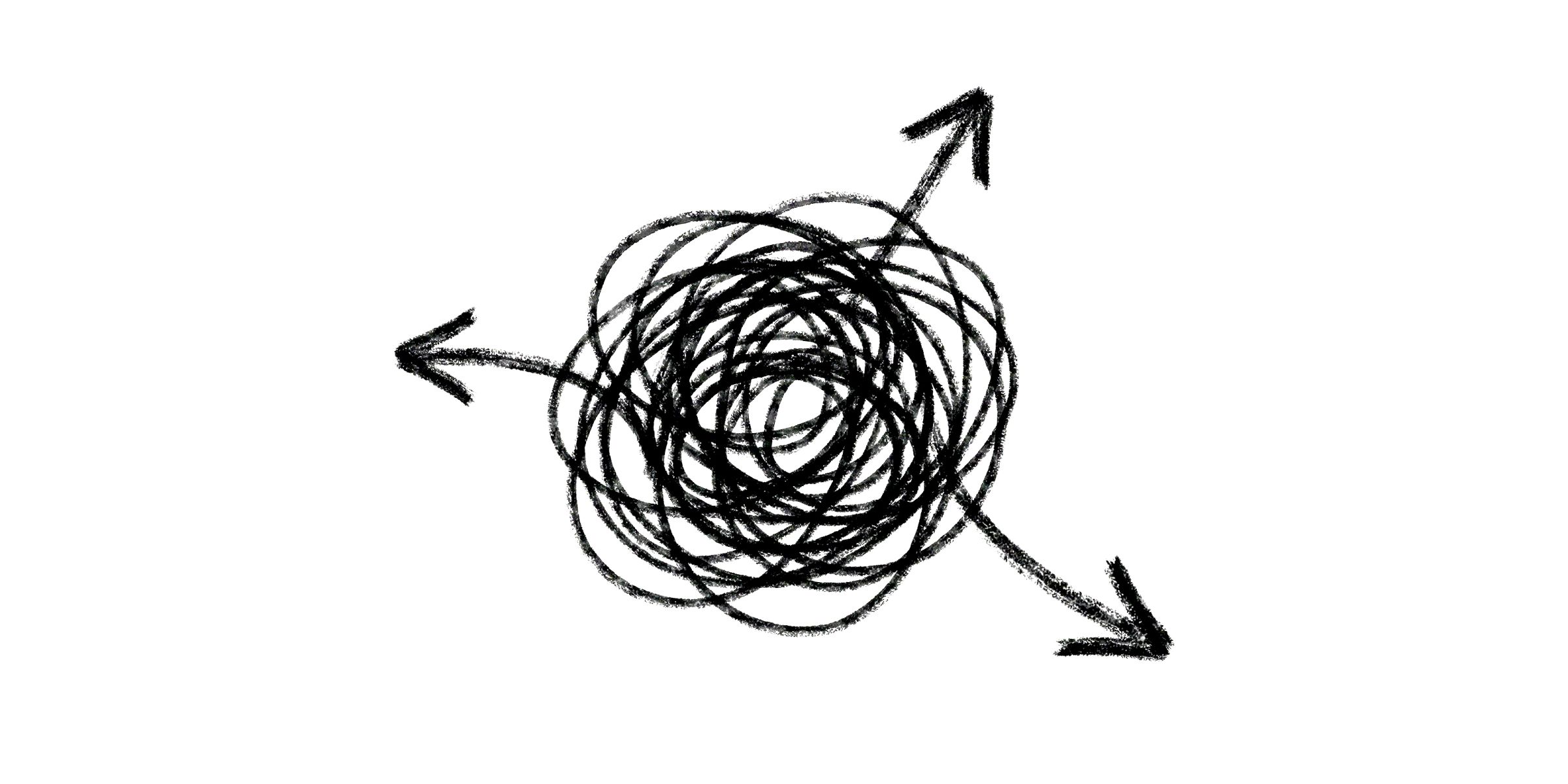
Even small cracks in alignment can create confusion, slow decision-making, and sap confidence. Watch for:
- Inconsistent messaging across presentations, pitches, or campaigns
- Sales teams “fixing” marketing language to make it land
- Marketing chasing awareness while sales demand leads
- Leadership pivoting faster than teams can adapt
- Employees struggling to articulate what makes your brand different
If these sound familiar, it’s not just a communications problem—it’s a strategic risk. Every mixed message weakens momentum and signals uncertainty to the market.

Building Cross-Functional Ownership
True brand alignment doesn’t come from a memo or a top-down directive, it grows from shared understanding and responsibility. For marketing directors and managers, this often means influencing alignment from your position, not commanding it. Here’s how to make it happen:
- Start with leadership clarity
Even if you can’t dictate strategy, you can ensure leadership speaks with one voice. Ask the right questions: What is our mission? How do we differentiate in the market? When leadership agreement is clear, marketing can translate strategy into messaging that lands. - Co-create the brand story
Bring sales and marketing into early discussions. Ask: How does this positioning show up in your day-to-day work? Collaborative development uncovers gaps, builds buy-in, and makes bold ideas actionable. - Make strategy practical
Turn abstract positioning into tangible tools: messaging guides, customer stories, and example campaigns. When teams can see exactly how to use the brand in their roles, alignment moves from theory to practice. - Align incentives and KPIs
Misaligned metrics are a silent killer of brand clarity. Ensure marketing, sales, and leadership are measured against shared outcomes, not just individual targets. Even small steps like joint campaign goals can shift behaviour quickly.
When every function takes responsibility for telling the same story, your brand stops being “just marketing’s problem.” It becomes a shared language that drives confidence and action.
Tools to Maintain Alignment Over Time
Brand alignment isn’t a one-off project it’s an ongoing discipline. These practical steps help ensure everyone stays on the same page:
- Quarterly alignment sessions
Reconnect strategy with execution, and give teams a forum to raise questions, share challenges, and celebrate wins. - A shared brand playbook
One source of truth reduces guesswork and ensures consistency across decks, campaigns, and customer interactions. - Embed brand in onboarding
New hires understand not just what the brand stands for, but how they contribute to delivering it. - Measure understanding
Quick pulse surveys or messaging audits reveal gaps before they turn into confusion.
Remember: alignment is about movement, not maintenance. Brands that thrive aren’t the ones that sit still, they constantly test, refine, and challenge expectations.
How Absolute Helps You with Brand Clarity
We understand that for many marketing directors and managers, staying aligned can feel like an uphill battle. You may not have full authority, boards are shifting, and day-to-day campaigns keep piling up. That’s why Absolute Agency takes a practical, hands-on approach that empowers your team to influence alignment from within.
Our Brand Clarity Workshops are designed to give sales, marketing, and leadership a shared language—and tools that actually work in the real world. In these workshops, we:
- Bring leadership together to agree on essentials
Mission, value proposition, and differentiation become clear and actionable. Marketing teams gain the clarity they need to translate strategy into consistent messaging, even when authority is limited. - Facilitate cross-functional sessions
Marketing and sales help co-create the brand story, so it resonates with customers and is practical to use in campaigns, pitches, and day-to-day interactions. - Provide practical tools
Messaging frameworks, playbooks, and real-life examples show exactly how to embed the brand in every touchpoint, without guesswork or endless approvals. - Align performance metrics
Shared KPIs and incentives ensure everyone—marketing, sales, and leadership—is measured against the same growth and brand outcomes, reinforcing alignment over time.
With Absolute, brand alignment stops being a one-off exercise or a source of frustration. Instead, it becomes a living, breathing engine for growth. Teams not only understand the brand, they live it, together.
When sales, marketing, and leadership move in unison, you don’t just grow, you outgrow the ordinary.